
Subscribe to Scitech
Receive news and announcements from Scitech straight to your inbox.

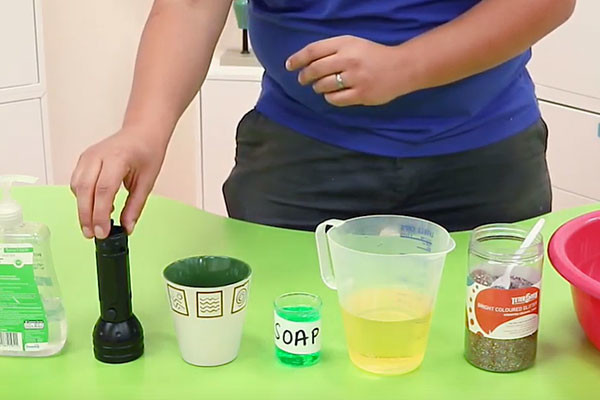
Discover the scientific secrets behind our most important resource - water, in this hot water and cold water experiment
Why is the ocean surface warm and the deep sea cold? It’s all about density!
Scitech presenter Evan demonstrates how warm water and cold water react to each other and how their density can create some unexpected patterns.
What you’ll need:
Instructions
Looking for more activities to do at home?
Love hands-on science? Become a Scitech Member and enjoy unlimited visits, exclusive member perks and year-round discovery for the whole family.
Explore Scitech Memberships.
Scitech is a not-for-profit organisation proudly supported by the Western Australian Government through the Department of Energy and Economic Diversification




Upon clicking the "Book Now" or "Buy Gift Card" buttons a new window will open prompting contact information and payment details.